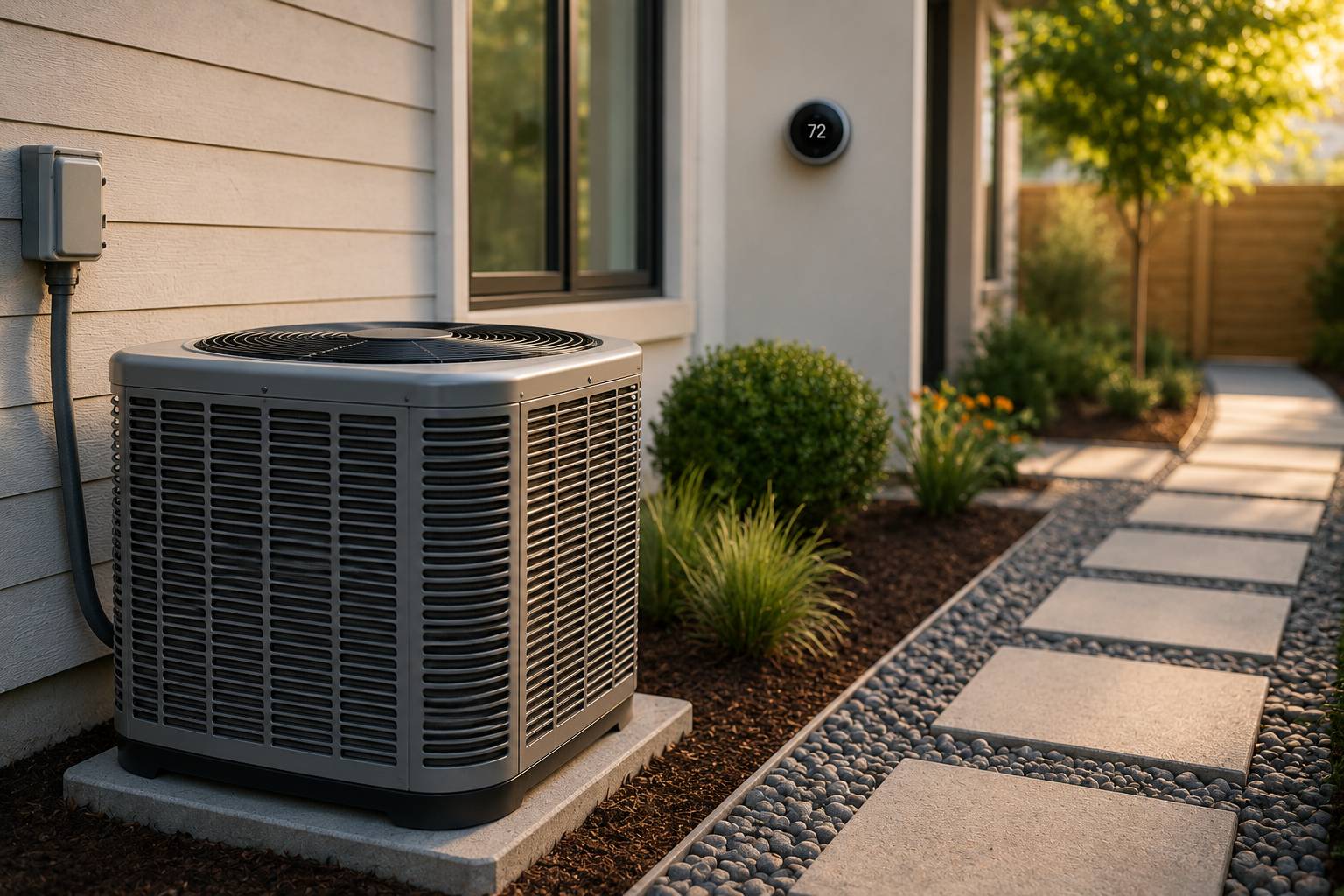
Keeping a home cool during warmer months can place significant pressure on household energy usage, especially when older systems struggle to maintain consistent temperatures. Many homeowners focus on lowering electricity bills through small habits, but upgrading key cooling components often delivers longer-lasting improvements in comfort and efficiency.
Modern cooling technology has evolved considerably over the past decade. Today’s systems are designed to use less energy, improve airflow, and create more balanced indoor temperatures without excessive strain. Homeowners considering AC replacement in Reno, NV often explore several energy-saving upgrades at the same ductless mini split installation ime to maximise performance and reduce future maintenance concerns.
Upgrade to a High-Efficiency Air Conditioning System
Older air conditioning systems can consume far more electricity than newer models. Units installed more than 10 to 15 years ago often operate with lower efficiency ratings and may struggle during periods of extreme heat.
Modern high-efficiency systems are designed to cool homes more effectively while using less power. Many feature improved compressors, variable-speed motors, and smart temperature controls that adjust cooling output based on actual demand rather than running continuously.
A properly sized system also plays an important role. Oversized units tend to cycle on and off too frequently, while undersized systems may run constantly without cooling effectively. Professional assessments help homeowners determine which system capacity best suits the layout and insulation levels of the property.
Install a Smart Thermostat
A smart thermostat is one of the simplest upgrades that can improve cooling efficiency without requiring major renovations. Unlike traditional thermostats, smart systems learn usage patterns and automatically adjust temperatures throughout the day.
These devices allow homeowners to:
- Reduce cooling when the property is empty
- Control temperatures remotely using mobile apps
- Schedule cooling cycles around daily routines
- Monitor energy usage trends
- Receive maintenance reminders and alerts
Even modest temperature adjustments can reduce energy consumption over time. Lowering cooling demand while occupants are away from home helps prevent unnecessary strain on the system during peak hours.
Smart thermostats also improve consistency by preventing sudden temperature fluctuations that often occur with manual adjustments.
Improve Home Insulation
Cooling systems cannot perform efficiently if cool air continually escapes from the home. Poor insulation forces air conditioners to work harder and operate longer, increasing both energy costs and equipment wear.
Attics, crawl spaces, and exterior walls are common areas where insulation problems develop. Older homes are especially vulnerable to air leakage around windows, doors, and ductwork connections.
Improved insulation helps maintain stable indoor temperatures by slowing heat transfer from outside. As a result, cooling systems run less frequently and maintain comfort more effectively during hot weather.
Homeowners planning a new cooling system installation sometimes discover that insulation upgrades significantly improve the performance of their systems by reducing overall cooling demand.
Upgrade Ductwork for Better Airflow
Many cooling problems are linked not to the air conditioner itself but to inefficient ductwork. Leaking, damaged, or poorly designed ducts can waste cooled air before it ever reaches living spaces.
In some homes, duct leakage may contribute to uneven cooling, weak airflow, and higher energy bills. Rooms located farther from the system often experience the biggest temperature differences.
Duct improvements may include:
- Sealing leaks and gaps
- Replacing damaged sections
- Improving airflow design
- Adding insulation around exposed ducts
- Cleaning excessive debris buildup
Balanced airflow allows cooling systems to distribute air more evenly throughout the property. This reduces unnecessary strain on the equipment while improving comfort in every room.
Consider Energy-Efficient Windows
Windows can significantly affect indoor temperatures, particularly in regions with strong sunlight and extended summer heat. Older single-pane windows often allow heat to enter the home easily, increasing cooling demand throughout the day.
Modern energy-efficient windows help reduce solar heat gain while improving insulation. Features such as double glazing, low-emissivity coatings, and insulated frames help maintain cooler indoor conditions.
Although window upgrades represent a larger investment, they can contribute to lower cooling costs over time. They also improve indoor comfort by reducing hot spots near windows and limiting temperature fluctuations.
Window coverings such as thermal curtains or solar shades can also complement cooling upgrades by blocking excess sunlight during peak afternoon hours.
Use Ceiling Fans to Support Cooling Systems
Ceiling fans do not lower room temperature directly, but they improve air circulation and create a cooler feeling through increased airflow. This allows homeowners to raise thermostat settings slightly without sacrificing comfort.
Using ceiling fans alongside air conditioning can reduce cooling demand and help systems operate more efficiently. Fans are particularly useful in rooms with high ceilings or limited airflow.
Modern energy-efficient ceiling fans consume relatively little electricity and are available in designs suitable for nearly every room style.
For best results, ceiling fans should rotate counterclockwise during summer to push cool air downward and improve circulation.
Schedule Preventative Maintenance
Even high-efficiency systems lose performance without regular maintenance. Dust buildup, clogged filters, and worn components can gradually reduce airflow and force cooling systems to work harder than necessary.
Routine servicing helps identify small issues before they become expensive repairs. Maintenance appointments often include cleaning coils, checking refrigerant levels, inspecting electrical components, and testing airflow performance.
Homeowners who invest in a modern cooling system frequently benefit from pairing installation upgrades with ongoing maintenance plans to protect long-term efficiency and system lifespan.
Changing air filters regularly is one of the easiest ways to support cooling performance between professional service visits.
Conclusion
Energy-saving cooling upgrades can improve comfort, reduce electricity costs, and help cooling systems operate more efficiently throughout the year. While replacing an ageing air conditioner remains one of the most effective improvements, additional upgrades such as smart thermostats, insulation improvements, duct sealing, and energy-efficient windows can significantly enhance overall performance.
Homeowners do not always need to complete every upgrade at once. Even smaller improvements can contribute to noticeable energy savings over time. Taking a strategic approach allows households to create a cooler, more comfortable living environment while reducing unnecessary strain on their cooling systems.
