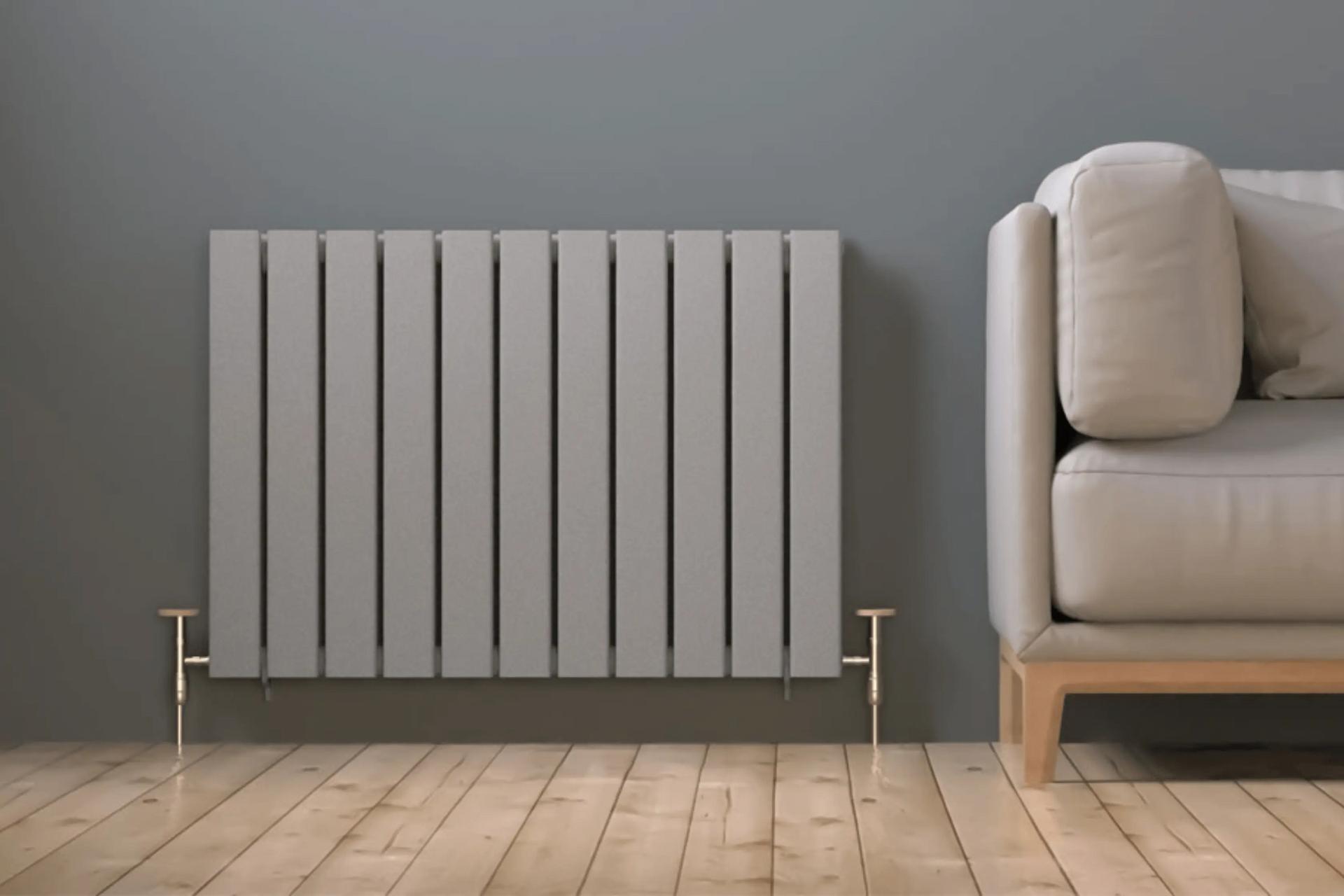
Choosing the right heating solution for your home is about more than just staying warm; it is about efficiency, aesthetics, and long-term cost-effectiveness. As British homeowners look to modernise their properties, the debate often settles on two primary contenders: the convector radiator and the flat panel radiator. While they might look similar to the untrained eye, the mechanical differences between them dictate how heat is distributed and how much you will pay in monthly energy bills.
Understanding the internal workings of your heating system is the first step toward a comfortable home. When you decide to replace an old, rusting radiator, you are not just buying a metal box; you are investing in a heat exchanger that must suit the specific dimensions and insulation levels of your room. Choosing the wrong type can lead to cold spots, wasted energy, and a significant dent in your wallet during the winter months.
Decoding the Convector Radiator
A convector radiator is arguably the most common sight in modern UK households. Its design is functional and focused entirely on heat output. At its core, a convector model consists of one or more panels (the water-carrying parts) with zigzagging metal fins welded to the back. These fins are the “convectors.”
The science behind this is simple but effective. As water flows through the panel, it heats the metal fins. Cold air is drawn up from the floor, passes over these heated fins, warms up, and rises into the room. This creates a “convection current” that circulates air continuously. This design is why you often see “Double Panel Double Convector” (Type 22) or “Single Panel Single Convector” (Type 11) configurations.
The primary advantage here is speed. Because the fins increase the surface area significantly, the unit can heat the air in a room much faster than a standard flat surface. If you have a high-ceilinged Victorian lounge or a drafty hallway, the rapid air movement provided by this type of radiator is often the most practical solution for maintaining a consistent temperature.
Exploring the Panel Radiator
In contrast, a panel radiator—often referred to as a “flat panel” or “designer” radiator—typically lacks those internal fins. It relies more heavily on radiant heat rather than convection. While a convector unit warms the air, a flat panel unit warms the objects and people in the room directly through infrared radiation.
Panel radiators are frequently chosen for their sleek, minimalist appearance. They sit much closer to the wall because they don’t need the depth required for internal fins. For many homeowners, the trade-off for a slightly slower heat-up time is a significantly more attractive interior design. They are the go-to choice for contemporary kitchens or hallways where space is at a premium and a bulky convector unit would look cumbersome.
Key Performance Differences
To decide which is right for you, it is helpful to look at how they compare across several categories:
- Heat Distribution: Convectors are excellent for “filling” a room with warm air, whereas panel models provide a steady, direct warmth.
- Space Saving: Flat panel models are slimmer and more discreet.
- Maintenance: Convector fins are notorious for trapping dust, which can be difficult to clean and may reduce efficiency over time. Flat panels are easy to wipe down.
- Energy Efficiency: While convectors heat up faster, panel radiators often retain their heat for longer once the central heating is turned off.
Room-by-Room Recommendations
Not every room in a British home has the same heating requirements. A bathroom has high humidity and limited wall space, while a bedroom needs a gentle, adjustable heat that won’t make the air feel “stuffy.”
The Living Room and Large Open Spaces
For the heart of the home, heat output is king. Large lounges often benefit from Type 22 convector radiators. These units provide the British Thermal Unit (BTU) count necessary to combat the heat loss associated with large windows or external walls. If you have an open-plan living area, the convection currents are essential for moving warmth into every corner.
The Kitchen
Kitchens are often already warm due to cooking appliances. Here, a vertical flat panel radiator is a popular choice. It takes up vertical wall space—which is usually abundant compared to floor space—and provides enough radiant heat to keep the room comfortable without taking up valuable cupboard area.
The Bedroom
In bedrooms, the goal is a comfortable sleeping environment. Many people find the aggressive air movement of a convector unit can make the air feel dry. A single panel radiator often provides a softer, more “natural” heat that is easier to sleep with. Since bedrooms are typically smaller, you don’t always need the high-intensity output of a convector model.
Technical Specifications: Types and Terminology
When shopping for a new heating unit, you will encounter a numbering system that can be confusing. Here is a breakdown of what those numbers actually mean:
- Type 11: A single panel with one set of convector fins. Slim and suitable for small rooms.
- Type 21: Two panels with one set of fins sandwiched between them. A great middle-ground for medium-sized bedrooms.
- Type 22: Two panels and two sets of fins. This is the “heavy hitter” for large rooms.
- Type 33: Three panels and three sets of fins. Extremely deep and powerful, usually reserved for very large commercial spaces or poorly insulated extensions.
[Image showing Type 11, Type 21, and Type 22 radiator profiles]
Maximising Your Radiator Efficiency
Regardless of which type you choose, efficiency depends on how you look after the system. A high-end convector unit will still underperform if it is clogged with sludge or blocked by furniture.
Top Tips for Better Heating
- Bleeding the System: If the top of your unit is cold, there is trapped air. Bleeding it ensures the entire surface area is used for heating.
- Avoid Obstructions: Never place a sofa directly in front of a convector unit, as it blocks the airflow essential for the convection current.
- Reflective Foil: Placing heat-reflective foil behind a radiator on an external wall can reflect up to 95% of the heat back into the room.
- Thermostatic Valves (TRVs): These allow you to control the temperature of each room individually, ensuring you aren’t heating the guest bedroom to the same level as the nursery.
Conclusion
The choice between convector and panel models depends on your specific priorities. Convectors are the workhorses of the British home, offering rapid heating and high efficiency for larger spaces. Conversely, panel radiators provide a sleek, modern aesthetic and gentle radiant warmth perfect for smaller rooms or minimalist interiors. By matching the radiator type to the room’s size and usage, you can create a comfortable, energy-efficient home. Prioritise BTU requirements first, then select the style that best complements your living space for the perfect balance.
