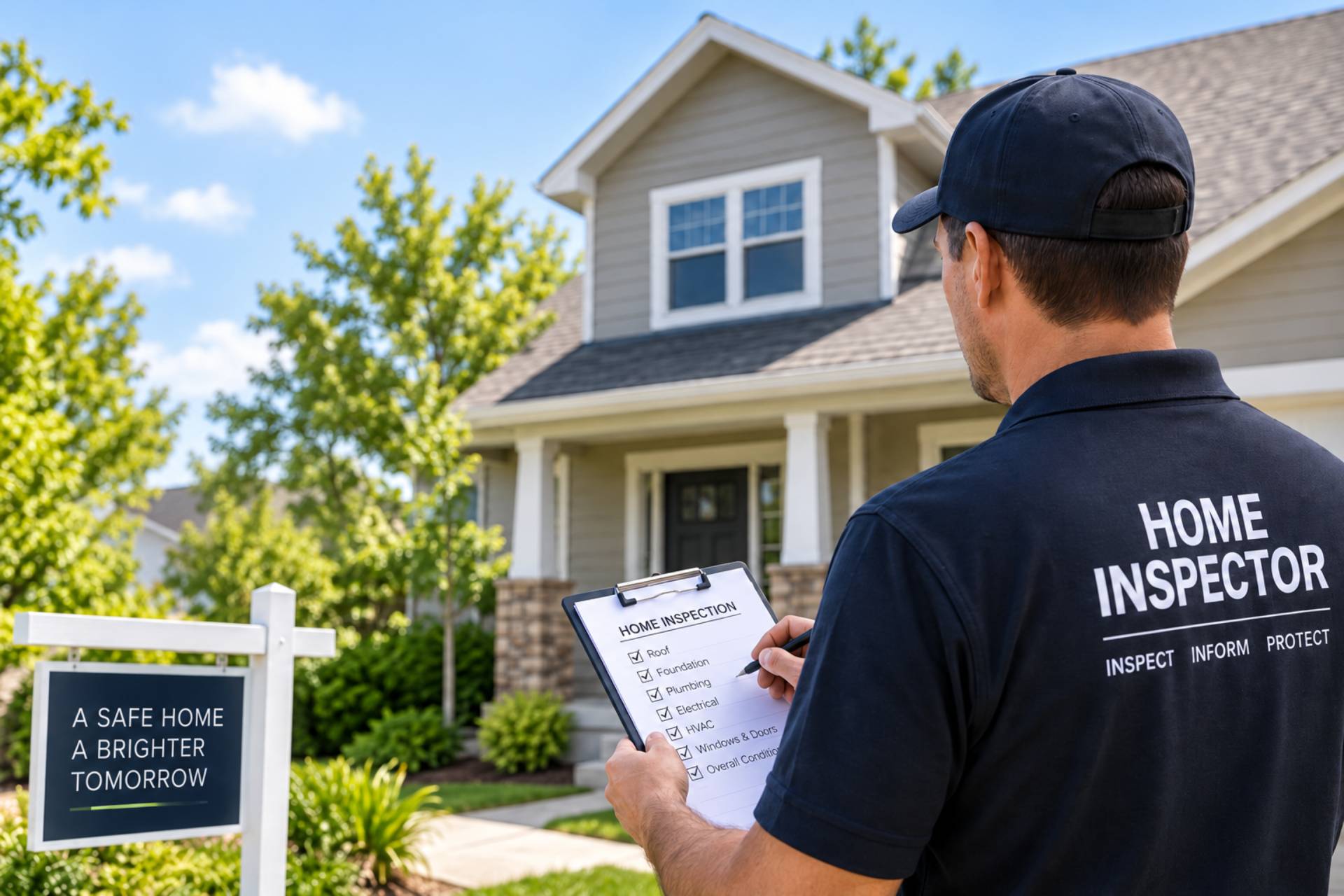
Buying a home is a major decision, and a property can look attractive while still hiding costly problems. A professional home inspection helps buyers understand the visible condition of the property before completing the purchase.
The purpose of an inspection is not to find a perfect home. It is to identify important defects, safety concerns, maintenance needs, and areas that may require further investigation.
Why Is a Home Inspection Important?
A normal viewing may not reveal problems with the roof, foundation, plumbing, electrical system, drainage, or heating equipment. An inspector examines accessible areas more closely and highlights issues that could affect safety, repair costs, or future maintenance.
What Should Be Checked?
Roof and Structure
Roof problems can become expensive when they allow water into the building. An inspector may assess the roof from the ground, from a ladder, by walking on it where safe and permitted, or using another appropriate viewing method.
The inspector may check roofing materials, gutters, exterior walls, foundations, floors, ceilings, and visible structural areas. Signs such as leaks, damaged roofing, large cracks, uneven floors, or unusual movement may require further assessment.
Plumbing Systems
Visible pipes, taps, toilets, water heaters, outlets, switches, wiring, and electrical panels may be inspected. Leaks, corrosion, damaged wiring, overheating, or unsafe electrical work should not be ignored.
However, a general home inspection may not include a camera inspection of underground sewer pipes. Older properties, homes with mature trees, or properties showing drainage symptoms may justify a separate sewer inspection where that service is available.
Heating, Cooling, and Ventilation
Heating and cooling systems can be expensive to repair or replace. Inspectors may review accessible equipment, thermostats, vents, and ventilation. Poor ventilation can also contribute to condensation and moisture problems.
Moisture, Windows, and Doors
Inspectors may look for damp areas, water stains, damaged windows, poor seals, sticking doors, or signs of previous leaks. Persistent moisture can damage building materials and may require specialist investigation.
What May Not Be Included?
A standard home inspection is usually visual and non-invasive. It may not cover hidden areas, underground pipes, sewer lines, asbestos, radon, detailed mould testing, pest inspections, or specialist structural assessments.
If a serious concern is discovered, the inspector may recommend further evaluation by a qualified specialist.
How to Use the Inspection Report
Do not focus only on the number of problems listed. Instead, separate findings into:
- Major safety or structural concerns
- Repairs that may be needed soon
- Routine maintenance
This makes it easier to understand which issues could have the greatest financial or practical impact.
Depending on the purchase contract and local rules, inspection findings may help with repair requests, further investigations, budgeting, negotiations, or the decision whether to continue with the purchase.
Electrical System
Electrical defects can present both safety and practical concerns.
Within the limits of a general inspection, an inspector may examine accessible components such as:
- Electrical service equipment
- Distribution or breaker panels
- Visible wiring
- Accessible outlets and switches
- Grounding or protective devices where applicable
- Signs of damaged or unsafe electrical work
An inspection is not normally the same as a complete electrical safety certification or specialist electrical survey.
If serious concerns, outdated components, evidence of amateur alterations, overheating, or other unusual conditions are identified, an electrician may be recommended for further evaluation.
Common Mistakes Buyers Make After an Inspection
One common mistake is expecting the seller to correct every item listed in the report. Homes require maintenance, and many inspection findings are relatively minor.
Another mistake is focusing heavily on inexpensive cosmetic defects while overlooking potentially costly problems involving water, roofing, structure, electrical systems, or major mechanical equipment.
Buyers should also avoid treating the inspection report as a warranty. An inspector reports conditions observable at a particular point in time. Equipment can fail later, hidden defects may exist, and conditions can change after the inspection.
Finally, do not ignore recommendations for additional investigation. If the inspector cannot determine the cause or extent of an important problem, resolving that uncertainty before applicable contractual deadlines can be valuable.
Frequently Asked Questions
Should buyers attend the inspection?
Attending can be useful because you can see important findings, ask questions, and learn more about the property’s systems. If you cannot attend the whole inspection, consider discussing the major findings with the inspector afterward.
What should I do if the inspector recommends a specialist?
Arrange the recommended assessment where the issue could materially affect your decision, safety, repair costs, or future ownership. A specialist may be able to determine the cause, severity, repair options, and likely cost more precisely.
Can I negotiate after a home inspection?
Inspection findings may affect negotiations in some transactions, but your options depend on the purchase contract, applicable contingencies, deadlines, and local rules. Speak with your real estate or legal adviser about the options available in your particular transaction.
Is a home inspection the same as an appraisal?
No. An inspection focuses mainly on the observable condition of the property and its systems. An appraisal primarily considers property value for lending or other valuation purposes. They serve different functions.
What should I prioritise in an inspection report?
Start with safety concerns, active water problems, structural issues, major system failures, and items requiring specialist investigation. Then review routine repairs and longer-term maintenance requirements.
Conclusion
A home inspection helps buyers understand the true condition of a property before making a final commitment. Pay close attention to the roof, structure, plumbing, electrical system, heating and cooling equipment, drainage, moisture, windows, and safety features.
Focus on the seriousness of each finding rather than the length of the report. A clear understanding of major repairs, routine maintenance, and inspection limitations can help you make a more informed buying decision.
