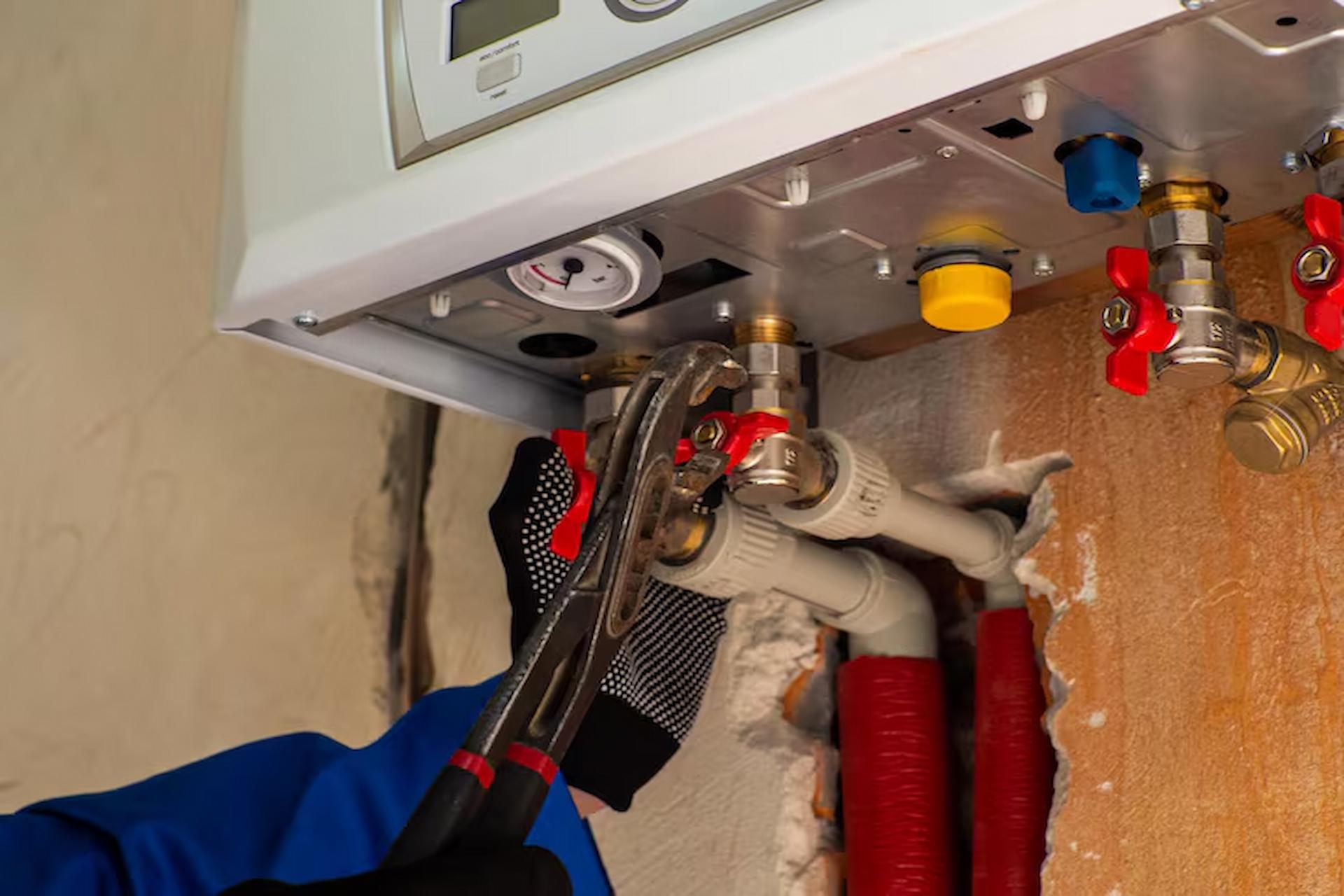
A reliable heating system should keep your home comfortable without quietly inflating your energy bills. Yet many households continue to rely on ageing units that work harder than they should, consuming more fuel and delivering less consistent warmth. If your monthly costs seem to rise without explanation, it may be time to consider whether new heating systems pay out sooner than you expect.
The Hidden Cost of Older Heating Systems
Older heating systems often appear to function adequately, but beneath the surface they can be highly inefficient. Over time, components wear out, airflow becomes restricted, and energy consumption increases. Even if the system still produces heat, it may be doing so at a much higher cost than necessary.
Outdated systems also struggle to maintain steady temperatures. This leads to frequent cycling on and off, which not only wastes energy but also accelerates wear and tear. The result is a cycle of rising bills and growing maintenance expenses that can quickly add up.
Signs Your System Is Costing You More Than It Should
Many homeowners overlook early warning signs that their heating system is no longer performing efficiently. Recognizing these indicators can help you act before costs escalate further.
One of the most common signs is uneven heating throughout the home. If some rooms feel colder than others, your system may be struggling to distribute heat properly. Unusual noises, such as rattling or banging, can also point to internal issues that reduce efficiency.
Another key indicator is frequent repairs. If you find yourself calling a technician regularly, the cumulative cost may soon outweigh the investment in a modern replacement. In these cases, it becomes clear that new heating systems pay out sooner by eliminating ongoing repair expenses.
Why Modern Heating Systems Are More Efficient
Advancements in heating technology have significantly improved energy efficiency. Modern systems are designed to use less fuel while delivering consistent and controlled warmth. Features such as programmable thermostats and zoning capabilities allow you to heat only the areas you need, reducing unnecessary energy use.
Many new systems also operate more quietly and require less maintenance. Improved airflow design and smarter controls mean they can maintain comfortable temperatures without overworking. This efficiency translates directly into lower energy bills over time.
Additionally, newer systems are often more environmentally friendly. By consuming less energy, they reduce your household’s carbon footprint while still providing reliable comfort.
Understanding the Long-Term Savings
While the upfront cost of a new heating system may seem significant, it is important to consider the long-term financial benefits. Lower energy bills, fewer repairs, and improved performance all contribute to overall savings.
Energy-efficient systems can reduce heating costs by a noticeable margin each year. Over time, these savings accumulate, offsetting the initial investment. When combined with the reduced need for maintenance, it becomes easier to see why new heating systems pay out sooner than many homeowners anticipate.
There may also be incentives or rebates available for upgrading to energy-efficient models, further improving the financial outlook of an upgrade.
When Is the Right Time to Upgrade?
Timing plays an important role when deciding to replace your heating system. If your unit is over 10–15 years old, it is likely operating below modern efficiency standards. Even if it still works, it may be costing more than it should.
Frequent breakdowns, rising energy bills, and inconsistent heating are all strong indicators that an upgrade is worth considering. Planning ahead, rather than waiting for a complete failure, allows you to choose a system that suits your needs without the pressure of an emergency replacement.
Seasonal timing can also be beneficial. Upgrading during milder months often provides more flexibility in scheduling installation and may help you avoid peak demand periods.
Making a Smart Investment for Your Home
Upgrading your heating system is not just about reducing costs; it is also about improving comfort and reliability. A modern system provides better temperature control, quieter operation, and peace of mind during colder months.
Before making a decision, it is advisable to assess your home’s heating requirements. Factors such as property size, insulation, and usage patterns all influence the type of system that will perform best. Consulting with a qualified professional can help ensure you select an option that delivers maximum efficiency and value.
Conclusion
A heating system should support your home, not drain your finances. If your current setup is struggling to keep up or costing more than expected, it may be time to reconsider your options. With improved efficiency, lower running costs, and greater comfort, upgrading is often a practical and forward-thinking decision.
In many cases, the evidence is clear: new heating systems pay out sooner, offering both immediate benefits and long-term savings. By investing in a modern solution, you can create a warmer, more efficient home while keeping your energy expenses under control.
